
Hyperscale AI Data Center & Liquid Cooling Simulator
Calculate the economics of the 2026 AI Compute Supercycle. Model GPU cluster revenue (IaaS), baseline energy consumption, the financial impact of Direct-to-Chip Liquid Cooling, and the payback period for institutional data center CapEx.
The Compute Supercycle: AI as the New Oil of 2026
In the modern digital economy of 2026, the most valuable commodity on Earth is no longer physical oil, nor is it raw data. The ultimate bottleneck and the absolute driver of institutional wealth is Compute (İşlem Gücü). As Large Language Models (LLMs), sovereign AI initiatives, and autonomous physics engines scale exponentially, the demand for high-performance GPUs has created a completely new asset class: The Hyperscale AI Data Center.
We are no longer building traditional data centers to host websites or corporate email servers. The facilities being built today are essentially digital heavy-manufacturing plants. A single cluster of next-generation AI accelerators (such as NVIDIA’s B200 architecture) requires capital expenditures (CapEx) rivaling small space programs. However, as our Institutional Data Center Simulator reveals, the Infrastructure-as-a-Service (IaaS) leasing rates create an ROI velocity unseen in traditional real estate or tech investing.
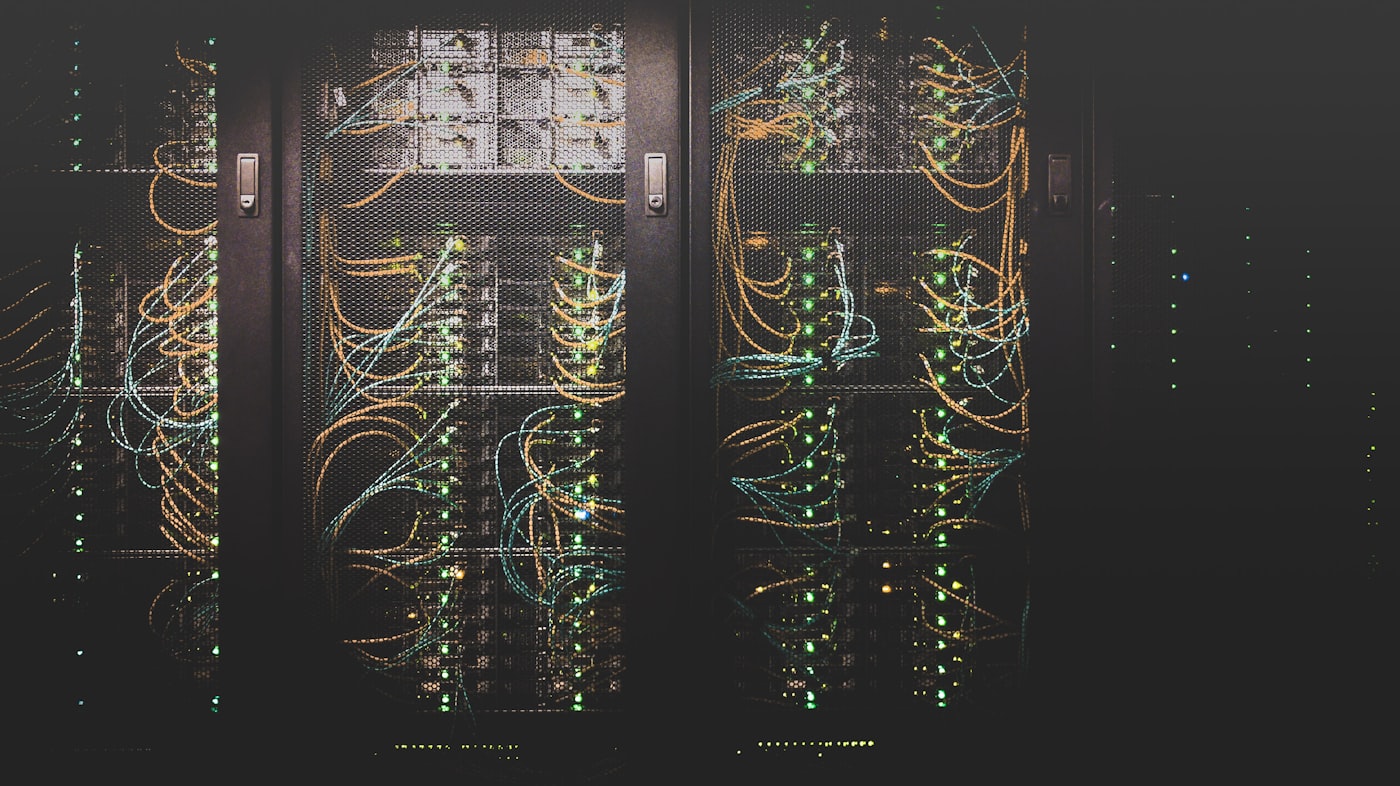
The Thermodynamics of AI: Why Liquid Cooling is Mandatory
If you want to understand the economics of an AI data center, you must understand thermodynamics. For two decades, data centers used massive HVAC systems to blow cold air through server racks. This was sufficient when a single server rack consumed 10kW to 15kW of power.
In 2026, a single AI server rack loaded with high-density GPUs consumes upwards of 100kW to 120kW. Air cooling is physically incapable of removing that much heat. The only engineering solution is Direct-to-Chip Liquid Cooling (D2C) or immersion cooling. Water or specialized dielectric fluids are pumped directly over the silicon architecture. Liquid is approximately 3,000 times more effective at transferring heat than air.
Finansal olarak bu devrimin adı PUE (Power Usage Effectiveness)‘dir. PUE, veri merkezinin ne kadar verimli olduğunu ölçer. Eski nesil hava soğutmalı bir tesisin PUE’si 1.6’dır (Yani sunucular için harcanan her 1 Watt’a karşılık, soğutma için 0.6 Watt fazladan harcanır). Kurumsal sıvı soğutmalı bir tesisin PUE’si ise 1.15’e kadar düşer. Simülatörümüzde soğutma tipini değiştirdiğinizde göreceğiniz gibi, binlerce GPU’nun çalıştığı bir tesiste bu PUE farkı, yıllık milyonlarca dolarlık (Annual Liquid Cooling Savings) net elektrik faturası tasarrufu anlamına gelir.

The Energy Grid Bottleneck & Sovereign Power
Sermayeniz (CapEx) olsa bile, 2026 yılında bir veri merkezi kurmanın en büyük engeli donanım değil, Enerji Şebekesidir (Energy Grid). Dünyadaki elektrik şebekeleri bu kadar konsantre bir yük çekişi için tasarlanmamıştır. 10,000 adet GPU’dan oluşan bir cluster, küçük bir şehrin tükettiği kadar elektrik tüketir.
Bu nedenle, gayrimenkul yatırım ortaklıkları (REITs) ve teknoloji devleri, veri merkezlerini artık geleneksel şehir merkezlerine değil, nükleer santrallerin, devasa hidroelektrik barajların veya jeotermal tesislerin hemen yanına kurmaktadır. Enerji maliyetini (Energy Cost $ / kWh) simülatörde $0.15’ten $0.05’e düşürdüğünüzde, ROI’nin (Yatırım Getirisi) nasıl patladığını göreceksiniz. Gelecekte SMR (Small Modular Reactors – Küçük Modüler Reaktörler) teknolojisi, veri merkezleri için özel olarak kullanılacak ve bu tesisleri şebekeden tamamen bağımsız hale getirecektir.

The Economics of GPU Leasing (IaaS) and Depreciation
Bir yapay zeka girişiminin kendi GPU’larını satın alması inanılmaz derecede pahalı ve lojistik bir kabustur. Bu yüzden saatlik kiralama yaparlar. Eğer piyasada bir GPU’nun saatlik kiralama bedeli (Lease Rate) $3.50 ise ve %85 doluluk oranıyla (Utilization) çalışıyorsa, tek bir GPU ayda $2,100’ın üzerinde brüt gelir üretir. 1,024 GPU’luk mütevazı bir cluster, aylık 2.5 Milyon Dolar nakit akışı yaratır.
Ancak bu kâr risksiz değildir. Donanım Amortismanı (Hardware Depreciation) en büyük düşmandır. Silikon teknolojisi o kadar hızlı gelişmektedir ki, bugün 40,000 Dolara alınan bir çip, 24 ay sonra çıkan yeni model yüzünden demode olabilir. Bu yüzden, Break-Even Horizon (Başa Baş Süresi) 24 ayın altında olmalıdır. Eğer simülatörünüz başa baş süresini 30 ayın üzerinde gösteriyorsa, yatırımınız yüksek risk altındadır; donanımınız kendini amorti etmeden çöp haline gelebilir.

Conclusion: Architecting the Brain of the Economy
2026 yılında, kurumsal veri merkezleri dijital ekonominin sinir sistemidir. Bu simülatör, bir teknoloji fantezisini değil, acımasız CapEx ve OpEx gerçeklerini göstermektedir. PUE oranlarını optimize edin, en ucuz endüstriyel elektriği bulun ve yüksek doluluk (utilization) sağlayan bulut sözleşmeleri yapın. Bu denklemi doğru kuran kurumlar, önümüzdeki 10 yılın en büyük servet transferini yöneteceklerdir. Kırmızı veya yeşil; rakamlar yalan söylemez.

Ahmet
Director of Hyperscale Infrastructure & Tech Real EstateFounder of Global Ledger News. Operating from Denizli, Türkiye, Ahmet models the complex intersection of commercial real estate, industrial energy grids, and next-generation AI hardware. He advises institutional REITs and sovereign wealth funds on data center CapEx optimization and liquid cooling economics.