
Supercar Collection ROI Simulator
Analyze the financial performance of your automotive portfolio. Model historical appreciation, subtract high-performance maintenance overhead, and project your net wealth growth in the 2026 luxury market.
The Biological Ledger of Motion: Architecting Supercar Wealth in 2026
In the geopolitical and financial climate of 2026, the definition of a “safe haven” asset has undergone a radical transformation. While traditional equities face volatility and fiat currencies navigate inflationary pressures, the market for ultra-rare luxury assets—specifically supercars and hypercars—has solidified into a robust alternative investment class. We at Global Ledger News view the supercar not merely as a pinnacle of engineering, but as a piece of Synthetic Biological Capital that compounds in value as its historical scarcity intensifies.
Investing in luxury automobiles requires a different mathematical lens than real estate or stock options. It is a game of heritage, mechanical provenance, and the “Cost of Carrying.” Utilizing our ROI Simulator, collectors can finally strip away the emotional allure of the engine roar and analyze the hard financial data that determines whether a vehicle is a wealth-building asset or a depreciating liability.

Deconstructing the Appreciation Matrix
The primary driver of a high Supercar ROI is the “Scarcity-Heritage Arbitrage.” Unlike daily drivers, which lose 20% of their value the moment they leave the dealership, collectible assets operate on an inverse curve. The value of a vehicle in 2026 is determined by three core pillars:
- Mechanical Provenance: Is it a naturally aspirated V12? Is it the last of a manual transmission era? As the world shifts toward electric mobility, the “analog” masterpieces of the past become increasingly valuable as historical relics.
- Production Volume: A vehicle with a production run under 500 units has an inherent mathematical floor. Our simulator allows you to model appreciation rates that reflect this institutional rarity.
- Ownership History (The Chain of Title): A vehicle that has been maintained within a single high-profile collection often commands a 15-25% premium over a “high-owner” example.
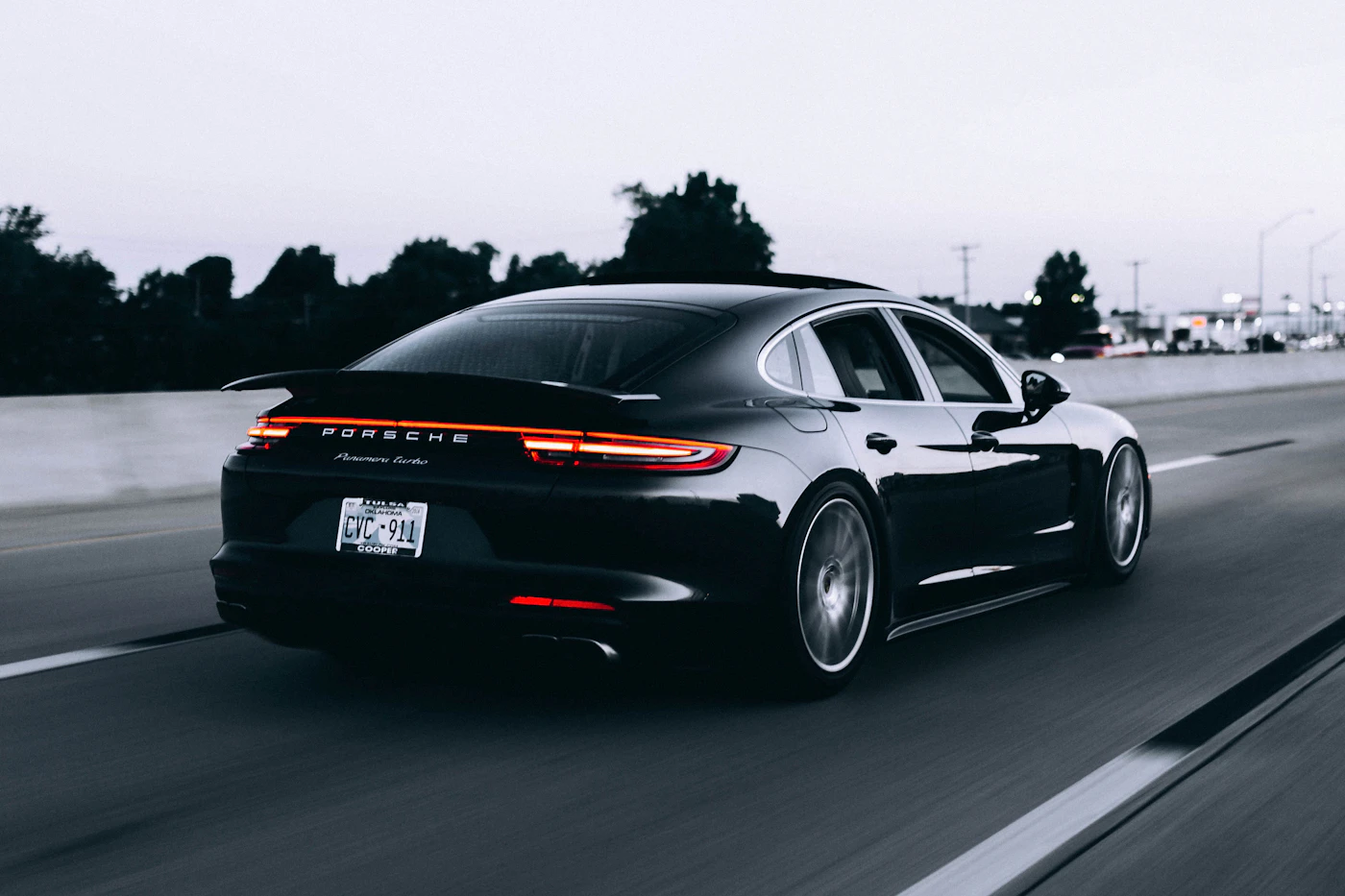
The “Carrying Cost” Trap: Protecting Your Capital
The most common mistake amateur collectors make is ignoring the operational overhead. To maintain the “Projected Exit Value” shown in our calculator, a vehicle must remain in “Concours” condition. This implies climate-controlled storage, specialized insurance (agreed-value policies), and preventative mechanical care that often exceeds $10,000 annually for high-performance marques.
In our model, the Total Carrying Cost is subtracted directly from the gross appreciation to give you a realistic Net Annualized ROI. If a vehicle appreciates at 5% but your carrying costs are 3%, your real-world wealth growth is only 2%. High-leverage collectors optimize this by housing their collections in tax-favorable jurisdictions and utilizing bulk-maintenance contracts with authorized service centers.
The Shift to Analog: Why 2026 is the Year of the Collector
As the automotive industry reaches the “EV Event Horizon,” the valuation of peak-internal-combustion-era vehicles is decoupling from the standard market. Collectors are treating cars as Mechanical Art. Just as a Picasso is valued for its brushstrokes, a Pagani is valued for its CNC-machined titanium components. This cultural shift ensures that even in a digital-first economy, the physical, visceral asset remains a sovereign store of value.

Conclusion: Engineering a Sovereign Collection
Wealth architecture is about the strategic distribution of risk. By allocating 5-10% of a portfolio to luxury collectible assets, an investor creates a “tangible fortress” that is immune to bank failures and stock market flash crashes. However, you must manage your collection with the same rigor you apply to your M&A deals or your AI automation workflows.
Use the Global Ledger Supercar ROI Calculator to stress-test your next acquisition. If the math doesn’t justify the maintenance, it’s just an expensive toy. If the math works, it’s a legacy. Build your ledger, secure your assets, and drive your wealth forward.

Ahmet
Enterprise AI & Wealth StrategistFounder of Global Ledger News. Operating from Denizli, Türkiye, Ahmet specializes in the architecture of sovereign wealth ledgers. He advises global high-net-worth individuals on luxury asset acquisition, supercar portfolio ROI modeling, and the integration of tangible capital into modern wealth structures.