
Enterprise Cloud Repatriation Architect
Calculate the 5-year break-even point and CapEx vs OpEx arbitrage of moving workloads from public cloud to a private/hybrid colocation infrastructure.
The Great Cloud Exodus: Mastering Repatriation Arbitrage in 2026
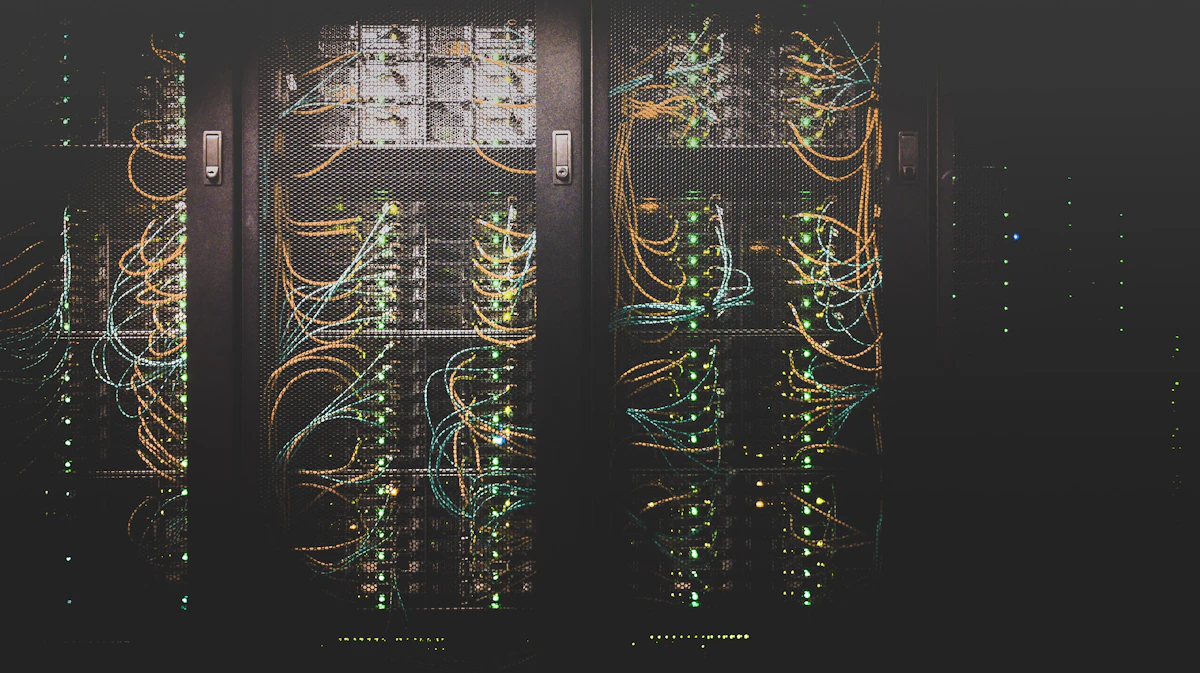
For the last decade, the corporate mandate was simple: “Move everything to the cloud.” However, as we operate in the high-inflation, margin-compressed environment of 2026, the narrative has violently shifted. **Senior Cloud Infrastructure Architects** have realized that public clouds (AWS, Azure, GCP) function like luxury hotels. They are perfect for short-term, highly variable stays (elastic workloads), but living in a luxury hotel year-round is financial suicide for a mature enterprise.
This phenomenon is known as **Cloud Repatriation**. It is the strategic extraction of predictable, base-load data and compute resources from the public cloud back into owned hardware residing in private or colocation data centers. Our **Hybrid Arbitrage Predictor** is designed to cut through the marketing noise of “infinite scalability” and reveal the precise mathematical Break-Even point of reclaiming your digital sovereignty.
The Core Equation of Cloud Unit Economics
The public cloud relies on abstracting costs. You pay for micro-transactions—egress fees, API calls, IOPS. To execute a successful repatriation, an architect must compare the total operational expenditure (OpEx) of the cloud against the Capital Expenditure (CapEx) plus the localized OpEx of owned hardware. The cumulative cost comparison is defined as:
*Where ‘m’ represents the months over a standard 5-year hardware lifecycle.*
When you execute this formula in the engine above, you will typically find that the heavy upfront cost of purchasing servers (CapEx) is eclipsed by the exorbitant monthly rental fees of the cloud around Month 14 to Month 22. After that Break-Even threshold, every dollar saved drops directly to the company’s bottom line.
3 Strategic Advantages of Infrastructure Ownership
- 1. The Egress Tax Eradication: The cloud is cheap to enter but expensive to leave. Cloud providers charge exorbitant “Egress Fees” to move your own data out of their ecosystem. On-premise or colocation setups utilizing unmetered bandwidth can save data-heavy companies millions annually.
- 2. Fixed-Cost Predictability: CFOs despise variable costs. A viral marketing campaign or a DDoS attack can spike an elastic cloud bill by 400% overnight. Owned infrastructure provides a hardened, predictable monthly cost ceiling.
- 3. The Hybrid Equilibrium: Smart repatriation is rarely 100%. The ultimate 2026 strategy is the Hybrid Model: Base-load operations run on cheap, owned hardware, while unpredictable “burst” workloads temporarily utilize the public cloud.

Frequently Asked Questions (Data Center SEO)
The Cloud Premium is the markup providers charge for the convenience of managed infrastructure. For steady-state, 24/7 workloads, this premium can be 2x to 3x the cost of running the exact same workload on owned, depreciated hardware.
No. Most enterprises utilize “Colocation” (Colo) facilities. You buy the servers, but you rent space, power, and cooling in a highly secure, third-party facility. This eliminates the real estate and physical security costs.
Enterprise servers are typically depreciated over 3 to 5 years. The calculator assumes a total refresh at the end of the inputted lifecycle. Even with repurchasing hardware every 5 years, the long-term ROI of repatriation for heavy workloads remains overwhelmingly positive.

Developed by Ahmet
Founder of Global Ledger News. Senior Cloud Infrastructure Architect specializing in hybrid data center deployments, egress optimization, and enterprise infrastructure arbitrage. Operating from the technological hub of Denizli, Türkiye.