
Institutional Carbon Credit Arbitrage & ESG Hedging Simulator
Master the commoditization of the atmosphere. Model the acquisition of large-scale Carbon Offsets. Calculate portfolio holding costs, simulate aggressive ESG market pricing trajectories, and execute institutional arbitrage against desperate corporate buyers facing 2026 Net-Zero mandates.
The Commoditization of the Atmosphere: Carbon Arbitrage in 2026
In the financial vernacular of the 2010s, “Carbon Credits” were viewed as a philanthropic exercise—a minor Public Relations expense for oil companies attempting to look green. By 2026, the paradigm has completely inverted. The atmosphere has been aggressively financialized. Carbon is no longer a PR tool; it is a highly volatile, massively traded Commodity Class, rivaling natural gas and crude oil in institutional trading volume.
Driven by the merciless enforcement of global regulatory frameworks like the European Union’s Carbon Border Adjustment Mechanism (CBAM) and the SEC’s Climate Disclosure rules, the world’s largest corporations are legally bound to reach “Net Zero” emissions. Because they cannot completely eliminate their physical emissions, they are forced to buy offsets. Using our Institutional Carbon Credit Arbitrage Simulator, hedge funds and proprietary trading desks model the exact financial mechanics of cornering this desperate demand.

Deconstructing the Market: EU ETS vs. VCM
To execute a successful arbitrage, a trader must understand the two distinct playing fields of 2026:
- The Compliance Market (e.g., EU ETS): This is a government-mandated “Cap and Trade” system. Heavy polluters are given a shrinking allowance of emissions. If they go over, they face devastating fines (often exceeding €100+ per ton). To avoid the fine, they must buy allowances on the open market. This market is highly liquid, highly regulated, and behaves like traditional forex or equities.
- The Voluntary Carbon Market (VCM): This is the “Wild West” of carbon trading. Tech giants (Microsoft, Amazon) buy these credits voluntarily to meet their own self-imposed 2030 climate pledges. In the past, VCM credits were cheap and unregulated. Today, high-quality, verified credits (such as those generated by verified reforestation or biochar) are scarce, creating massive price premiums.
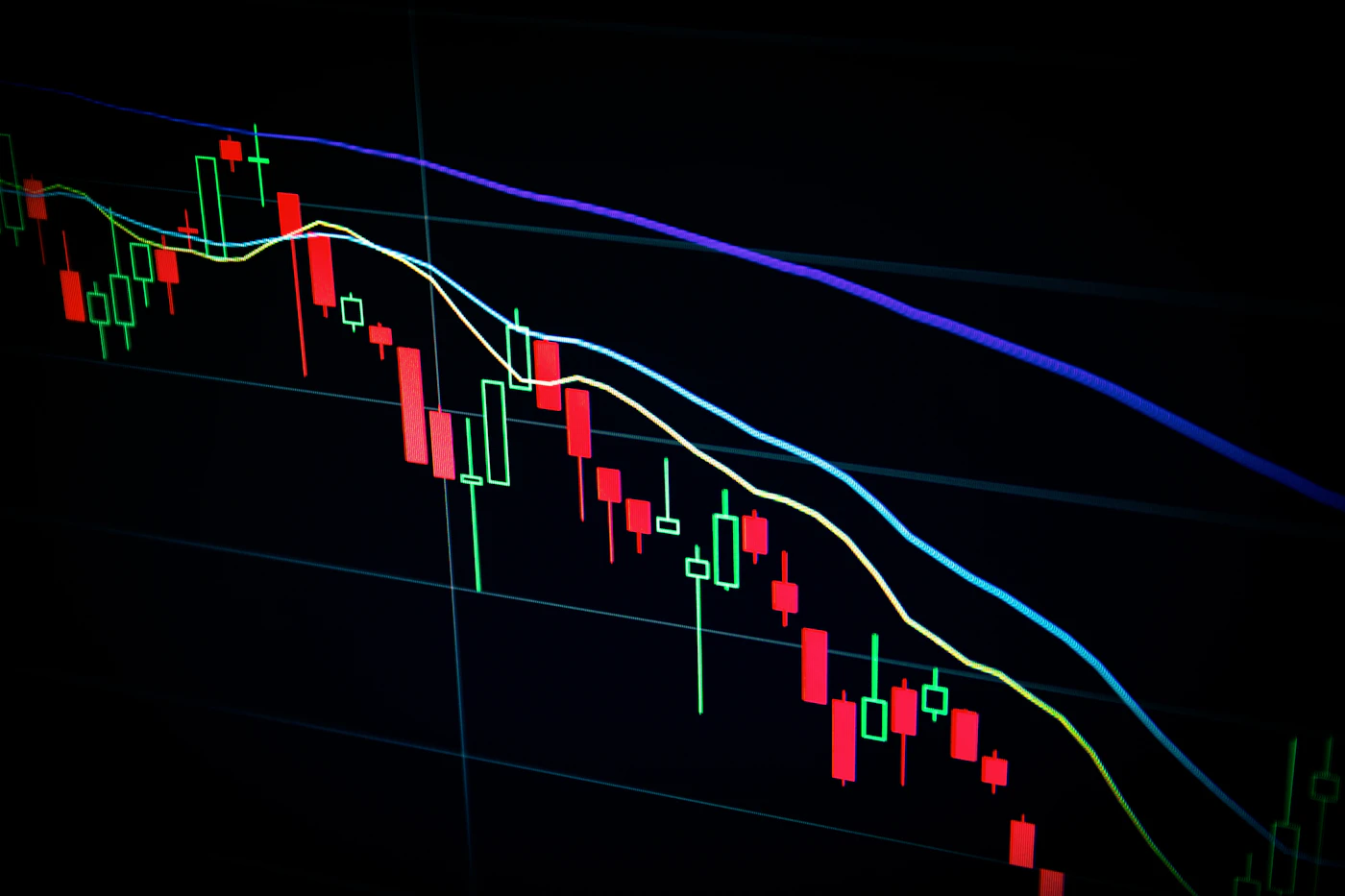
The Arbitrage Strategy: Buying the Squeeze
The institutional play modeled in our simulator is straightforward but ruthless. It relies on the absolute mathematical certainty of future corporate desperation. Hundreds of Fortune 500 companies have promised Wall Street that they will be “Net Zero by 2030.” As the deadline approaches, the panic sets in.
A hedge fund executes the arbitrage by buying millions of tons of high-quality carbon credits today at an Acquisition Price of, say, $25 per ton. They pay a minor holding fee (Verification and Registry OpEx) to park these credits in a digital vault.
They wait. As 2030 approaches, supply constraints hit. The corporate buyers enter the market simultaneously, creating a massive demand shock. The fund offloads their inventory at the Target Exit Price of $65, $80, or even $100+ per ton. This is not investing in green technology; this is executing a calculated short-squeeze on corporate sustainability departments.

Calculating the ROI: IRR and Holding Costs
While the profit margins seem astronomical, the holding period introduces significant friction. Carbon credits do not pay dividends; they cost money to store and verify on global registries (like Verra or Gold Standard).
In our simulator, if you acquire $12.5 Million worth of carbon, you might spend $750,000 over three years just to maintain the legal validity of the certificates. Therefore, the metric of truth is the Internal Rate of Return (IRR). If you double your money in 10 years, it’s a mediocre trade. If you generate a $19 Million Net Profit over 3 years, you achieve an explosive 34% IRR, outperforming nearly every traditional asset class in the 2026 market.

Conclusion: The Architecture of ESG Finance
The carbon market of 2026 represents the ultimate intersection of regulatory policy and cutthroat financial capitalism. Companies that failed to physically decarbonize their operations in the early 2020s are now the “exit liquidity” for the hedge funds that stockpiled the credits.
Utilize the Global Ledger Carbon Credit Arbitrage Simulator to structure your portfolio. Model your entry price against the incoming regulatory deadlines. Calculate your holding OpEx accurately. In this new commodity supercycle, the atmosphere is just another asset class to be engineered, optimized, and sold.

Ahmet
Director of Commodities Trading & ESG ArbitrageFounder of Global Ledger News. Operating from Denizli, Türkiye, Ahmet specializes in the financialization of environmental liabilities. He advises quantitative hedge funds, private equity, and massive corporate treasuries on Carbon Credit acquisition strategies, EU ETS hedging, and the mathematics of Net-Zero compliance across the 2026 global markets.